
Insight. Prevention. Diagnosis.
Blood work in Pasadena CA
Provides critical insight into your health, helping detect issues early and guide effective treatment.

What is Bloodwork?
Blood work is a diagnostic tool that analyzes a sample of your blood to assess overall health, detect diseases, and monitor ongoing medical conditions. It helps identify imbalances, infections, organ function issues, and nutrient deficiencies by measuring components like red and white blood cells, cholesterol, glucose, and hormone levels. Blood tests are essential for early detection, preventive care, and personalized treatment planning. They provide actionable insights that support timely medical decisions and help track the effectiveness of therapies over time.
What it diagnoses
01
Chronic Diseases
Such as diabetes, high cholesterol, and thyroid disorders.
02
Infections
Including bacterial, viral, and inflammatory conditions through markers like white blood cell count or CRP.
03
Organ Function Issues
Detects liver, kidney, and heart problems by analyzing enzymes, proteins, and waste levels.
How does it work?
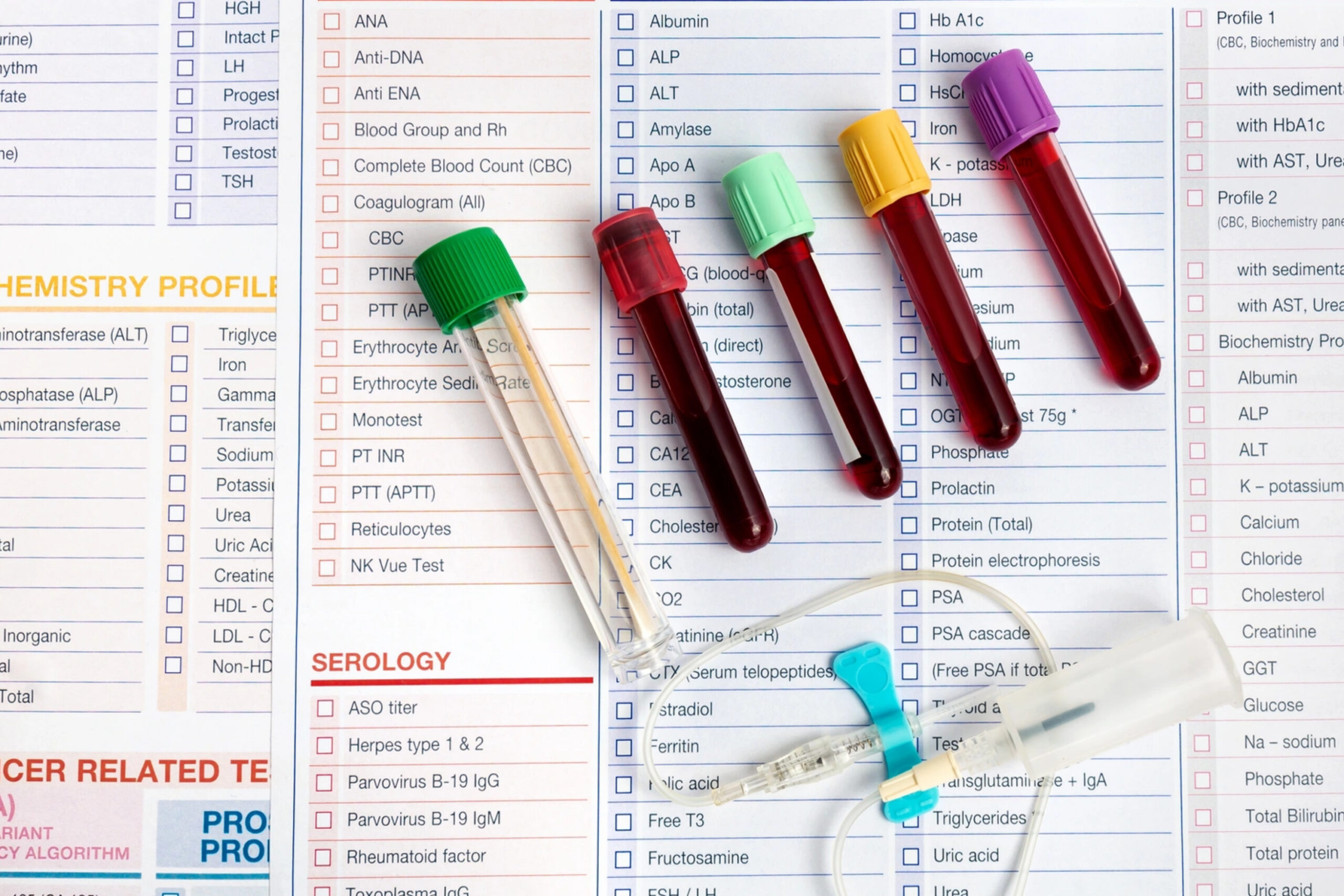
Blood work works by analyzing a sample of your blood in a laboratory to measure specific biological markers. A healthcare provider draws blood—usually from a vein—and sends it to a lab where machines and technicians evaluate components such as:
Cells (e.g., red, white, platelets)
Hormones (e.g., testosterone, thyroid)
Enzymes and proteins (e.g., liver enzymes, CRP)
Glucose, cholesterol, and electrolytes
These results help diagnose conditions, monitor treatment, and assess overall health.
Key Benefits of Bloodwork
Early detection – Identifies health issues before symptoms appear
Accurate diagnosis – Confirms or rules out specific medical conditions
Treatment monitoring – Tracks progress and effectiveness of therapies
Preventive care – Helps manage risk factors like cholesterol and blood sugar
Personalized health insights – Tailors care based on individual biomarkers
who are the candidates?
Adults during routine checkups – For preventive health screening
People with symptoms – Such as fatigue, weight changes, or infections
Patients managing chronic conditions – Like diabetes, thyroid disorders, or heart disease
Those on medications – To monitor liver, kidney, or blood function
Individuals with family history – Of genetic or metabolic conditions
FAQ
Why is blood work important?
Blood work helps detect diseases early, monitor ongoing conditions, and guide treatment decisions.
How often should I get blood work?
Most adults should get blood work at least once a year, or more frequently if managing a medical condition.
Do I need to fast before a blood test?
Some tests require fasting for 8–12 hours, such as glucose or lipid panels. Your provider will advise based on the test.
Is blood work painful or risky?
Blood draws are quick and low-risk, typically causing only minor discomfort or bruising at the needle site.
How long do results take?
Most results are available within 24–72 hours, depending on the complexity of the test.